



Total 2134 characters, estimated reading time: 6 minutes.
As a content creator, especially doing YouTube videos or podcasts, sound quality often determines the first impression of the viewer. Some time ago I was torn when shopping for a microphone, during which I returned and exchanged equipment a few times, and tried dynamic microphones ranging from a few hundred to thousands. In the end, I settled on a condenser microphone, which was better suited to my scenario. Here is the combination of information and personal experience, talk about the dynamic microphone and thecondenser microphoneThe difference.
I. Differences in working principle
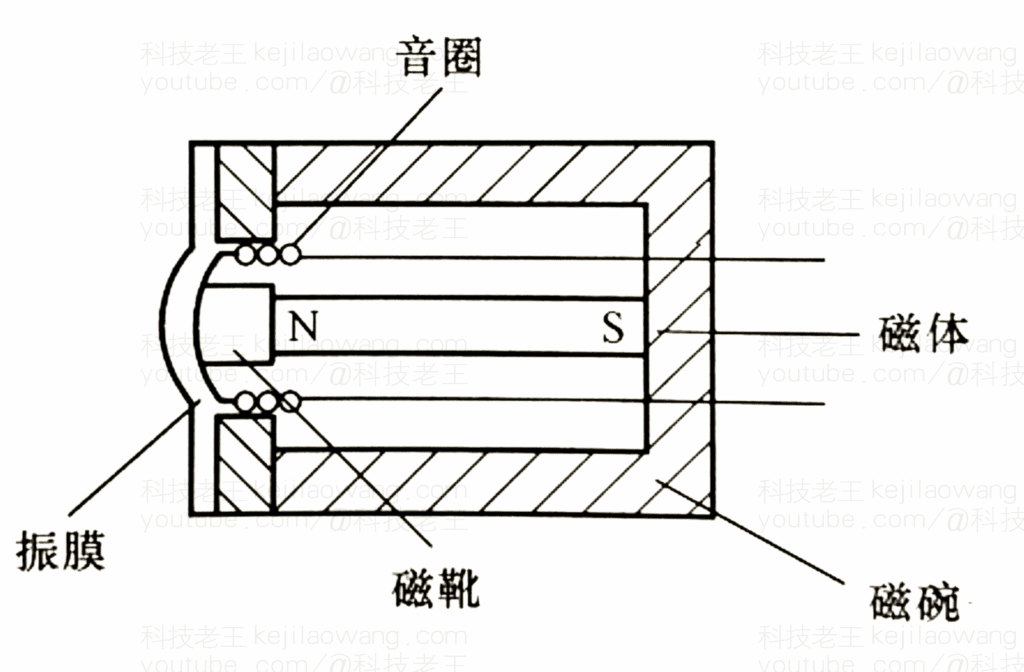
1. The principle of moving coil microphone
The principle of energy exchange in dynamic microphones is very similar to the “electromagnetic induction” we learned in physics class.
- core structure: It consists of a diaphragm, voice coil and magnet.
- working process::
- Sound waves drive the diaphragm to vibrate back and forth;
- The diaphragm moves the voice coil, which is closely connected to it, in a magnetic field;
- The voice coil cuts the lines of magnetic force in a magnetic field, producing an induced current;
- This current signal is then transmitted to the back-end equipment, amplified and converted into sound.
The design is like a “small generator”, so a dynamic microphone requires no additional power supply and is ruggedly built to work even during intense stage performances or in noisy environments.
To view, please open this page in an internet environment with access to YouTube.
A full graphic description is provided below and can be read on.
2. Principles of condenser microphones
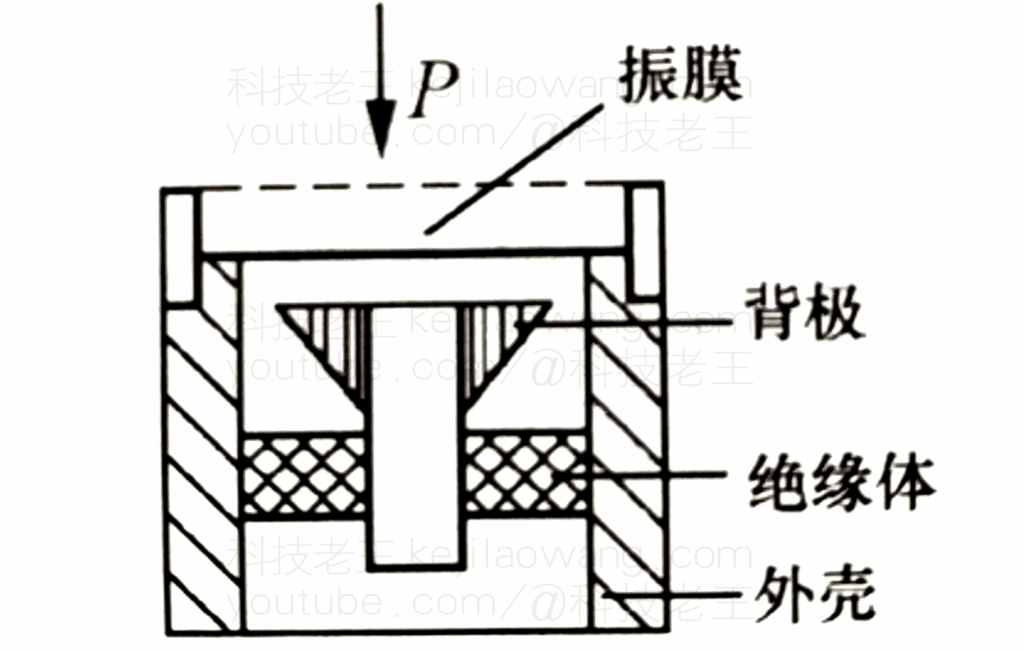
The core idea of a condenser microphone comes from the “condenser effect”.
- core structure: It consists of an extremely thin metal diaphragm and a fixed pole plate, which together form a capacitor.
- working process::
- The diaphragm vibrates back and forth under the action of sound waves, changing the distance from the fixed pole plate;
- The capacity of the capacitor changes accordingly;
- When powered by an applied power source (phantom power), a change in capacitance causes a change in charge distribution, which produces an electrical signal synchronized with the sound wave;
- This electrical signal goes through an internal preamplifier circuit and is sent to the back-end device for processing.
The advantage of this approach is that it captures very fine vibrations, making condenser microphones far more sensitive and reproducible than dynamic microphones. However, due to the need for additional power supply and the very thin diaphragm, it is also more fragile and requires a more demanding environment for use.
II. Sound quality and performance
- dynamic microphone
- Low sensitivity and relatively limited frequency range (typically does not cover the full 20Hz-20kHz range of the human ear).
- It's not sharp enough to capture high frequencies and details, but the sound sounds warmer and rounder with some finishing touches.
- Excellent performance in noisy environments and does not tend to pick up too much ambient noise.
- condenser microphone
- High sensitivity, wide frequency response, and fast transient response to accurately capture the details of the sound.
- The sound is clear, bright and highly reproducible, perfect for professional recording, vocal singing and instrument pickup.
- However, because the sensitivity is too high, it is easy to include the background noise as well, which requires a more demanding environment for use.
III. Comparison of usage scenarios
- dynamic microphone: Suitable for stage performances, KTV, outdoor recording and other noisy environments. It is durable, noise-resistant, plug-and-play.
- condenser microphone: Better suited to quiet environments such as studios, podcasts, and video creation, it maximizes sound detail and texture.
IV. Personal choice and experience
As a YouTube UP master, I mainly record commentary, review and explainer videos, which require high sound quality and details, and the recording environment is relatively quiet. After trying dynamic microphones many times, I found that although they do have an advantage in terms of ambient noise control, the sound level and detail performance is always a little bit worse.
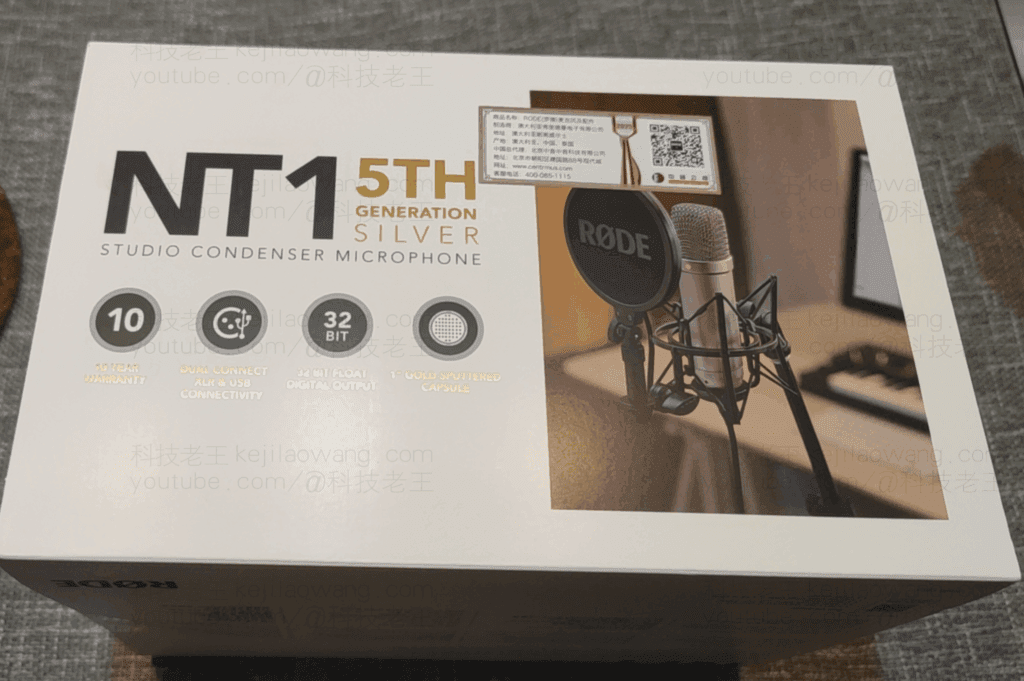
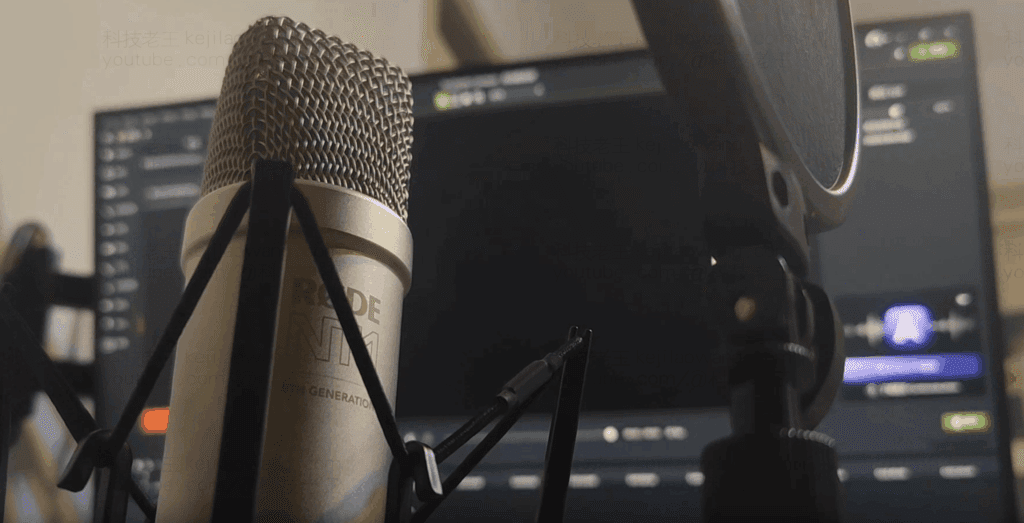
In the end, I went with Rode NT1 5th Condenser MicrophoneBefore. Previously has been in the moving coil microphone between the choice is also think condenser microphone is too sensitive noise a lot, in fact, in trying to use found that, such as the environment is relatively quiet in fact or still can get a bottom noise control good cleaning sound, it retains the clarity at the same time, the sound texture is also very natural, the recording out of the effect allows me to post-processing when more worry. For users like me to do content creation, pay attention to the sound texture, if the test use moving coil microphone does not get their own psychological expectations, if the environment allows you to try to use this type of condenser microphone, perhaps they will get their own unexpected surprises.
✅ To summarize.::
Dynamic microphones are robust and durable for stage and relatively noisy environments that require optimal clarity, while condenser microphones are sensitive and delicate, and are better suited for recording and creative work to get more detail and granularity in the sound. If you're doing YouTube or podcast content like me, you might want to give a condenser microphone a try as it's probably a better choice.






 Lan Xiaobo (1952-1997), PRC politician Protocol Not Supported The client and server do not support the general SSL protocol version or cipher suite. This error is prompted
  kittyzero Hi, https://www.youtube.com/watch?v=eJUWQqCKfW0 I set it up and the extranet won't go out, not sure why, emailed you, thanks.
  ericjin211 Hi, tried this solution and found that foreign sites going through openclash proxy will not go through adguardhome, what could be the problem 🤔
  666 Tried the copy, no other problems, dns test has Hong Kong and Japan, not sure if it's a leak or not
  Loong2004 Hello, I feel that the program is very good, but the white hand is handicapped, can you have paid remote guidance, thank you!
  Chinese
  English
  Spanish
  French
  German
  Japanese
  Portuguese
  Italian
  Dutch
Dutch